Understanding Recession: A Guide for Everyday Canadians
As Canadians, it's essential to be aware of the economic climate and its potential impact on our daily lives. A recession, typically defined as a period of economic decline, can have far-reaching consequences on employment, income, and overall well-being. With various shapes and forms of recession, including V, U, W, and L, it's crucial to understand the context and implications of such economic downturns. In this article, we will delve into the world of recession, exploring its meaning, examples, and practical advice for navigating these challenging times.
What is a Recession, and How Does it Affect Canadians?
A recession is a complex phenomenon that can be caused by various factors, including global events, market fluctuations, and governmental policies. In Canada, a recession can lead to higher unemployment rates, reduced consumer spending, and decreased economic growth. For instance, during a recession, businesses may struggle to stay afloat, leading to job losses and reduced income for individuals. 
How Can Canadians Prepare for a Recession?
While it's impossible to predict with certainty when a recession will occur, there are steps Canadians can take to prepare for such an event. Building an emergency fund, reducing debt, and diversifying investments are all practical strategies for mitigating the effects of a recession. Additionally, Canadians can focus on developing valuable skills, networking, and maintaining a strong professional reputation to increase their job security. By being proactive and prepared, individuals can better navigate the challenges posed by a recession.
What are the Different Shapes of Recession, and How Do They Impact the Economy?
The different shapes of recession, including V, U, W, and L, refer to the various ways in which economic activity can decline and recover. A V-shaped recession, for example, is characterized by a sharp decline followed by a rapid recovery. In contrast, a U-shaped recession involves a more gradual decline and a slower recovery. Understanding these shapes and their implications can help Canadians make informed decisions about their financial lives. 
What Can Canadians Do to Stay Afloat During a Recession?
During a recession, it's essential for Canadians to stay informed, adapt to changing circumstances, and make practical decisions about their finances. This may involve reducing non-essential expenses, seeking support from local community resources, and exploring alternative sources of income. By staying proactive and focused on their long-term goals, Canadians can navigate the challenges posed by a recession and emerge stronger on the other side. Ultimately, understanding recession and its implications is crucial for making informed decisions about our financial lives and ensuring a more stable future.
- Build an emergency fund to cover essential expenses
- Reduce debt and avoid taking on new debt
- Diversify investments to minimize risk
- Develop valuable skills and maintain a strong professional reputation
- Stay informed and adapt to changing circumstances
By following these practical tips and staying informed about the economy, Canadians can better prepare for a recession and reduce its impact on their daily lives. Remember, understanding recession is the first step towards navigating its challenges and emerging stronger on the other side.
PPT - Keynes And Recession PowerPoint Presentation, Free Download - ID
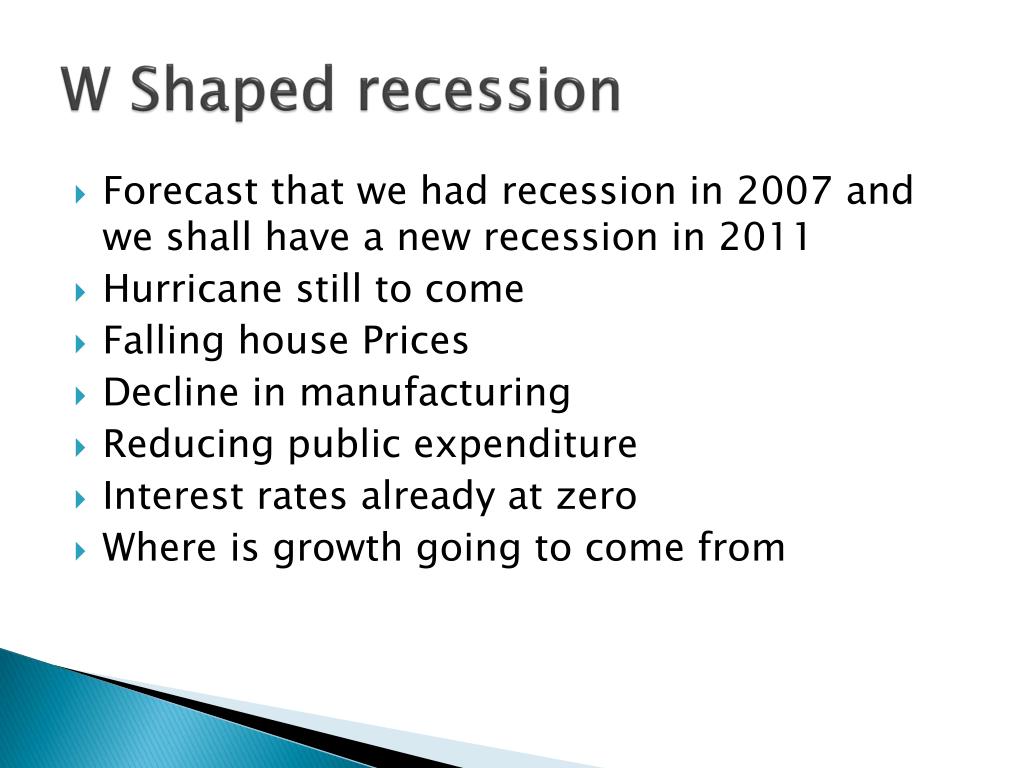
PPT - Keynes and Recession PowerPoint Presentation, free download - ID ...
PPT - Explaining Recession PowerPoint Presentation, Free Download - ID
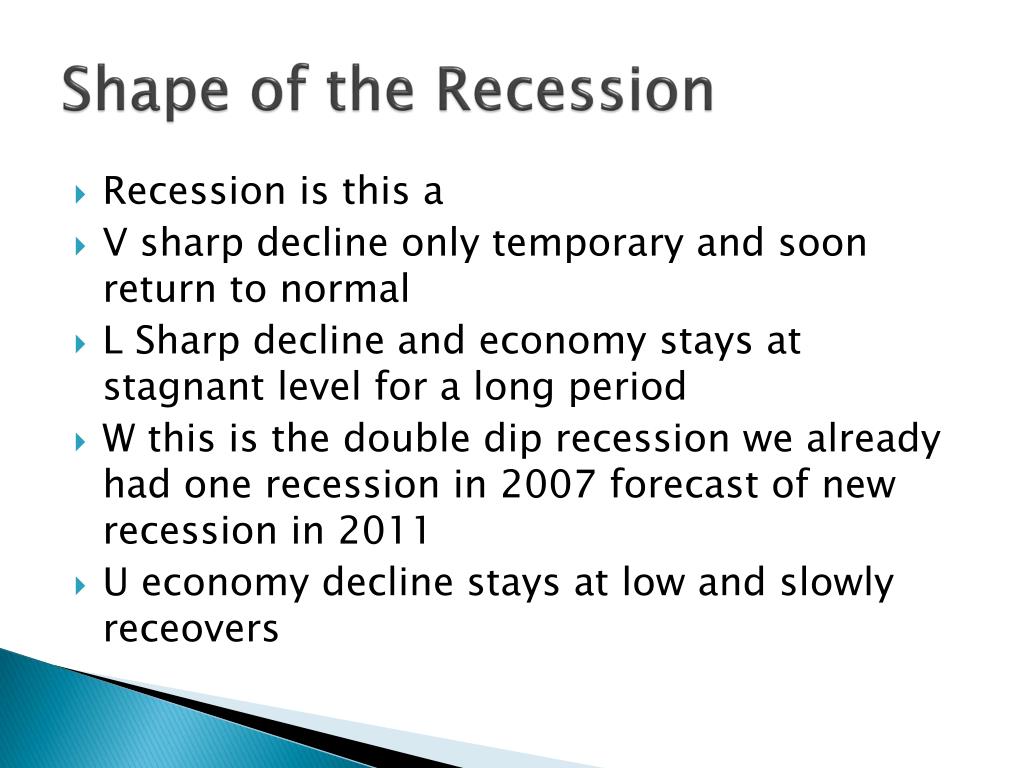
PPT - Explaining Recession PowerPoint Presentation, free download - ID ...
What Is A Recession? Definition, Causes & Warning Signs - TheStreet
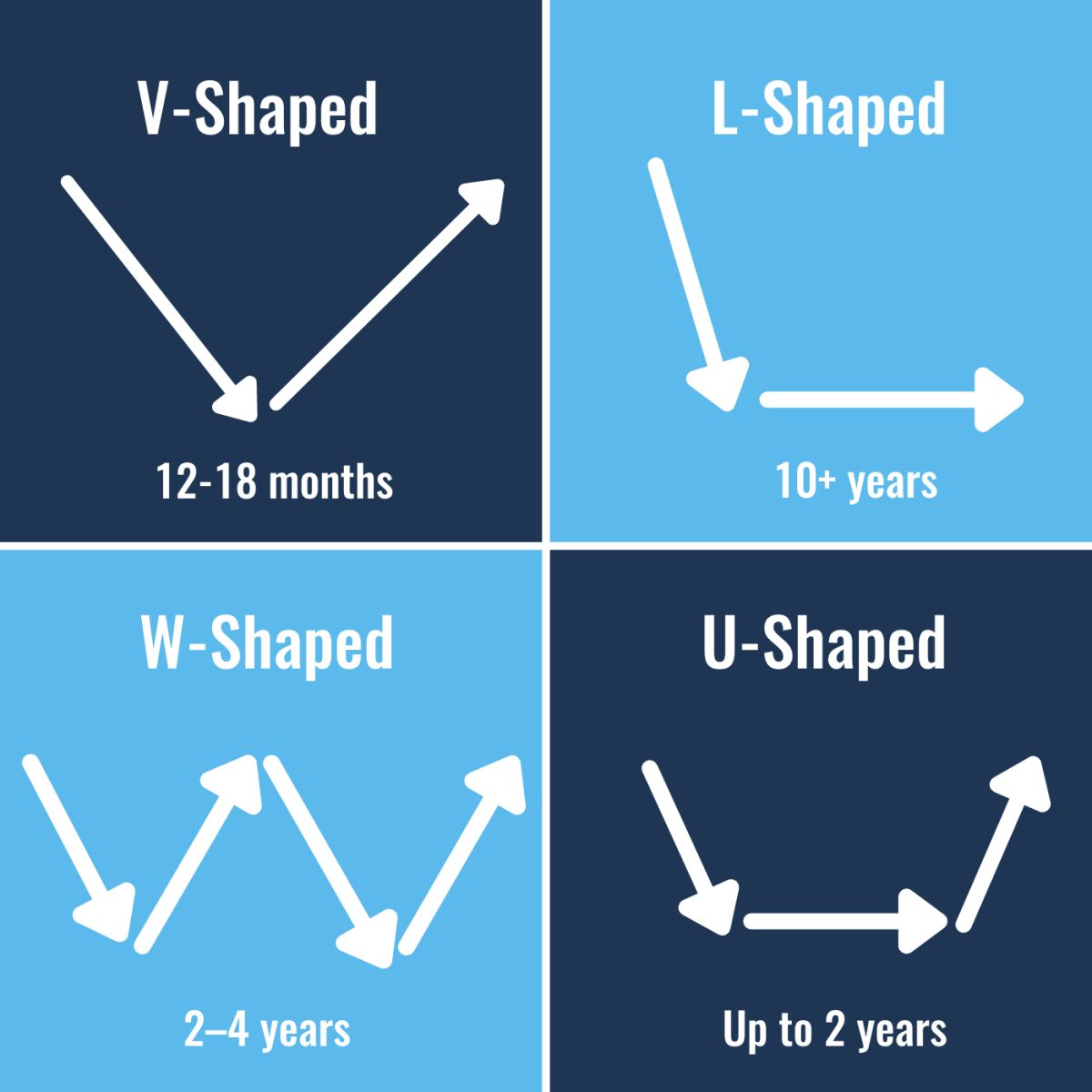
What Is a Recession? Definition, Causes & Warning Signs - TheStreet